

个人简介
金砖五国


推荐博文
1314
2026-08-26
分类: 新唐
1314
New archives on notorious Unit 731 reveal Japanese military’s cover-up of biological warfare_我的网站

A | 获悉,拼多多发布2026年第二季度财报。

B | 财报显示,拼多多二季度实现营收1124亿元,同比增长8%;净利润272亿元,同比下降12%;Non-GAAP研发投入43亿元,同比增长40%原文链接。
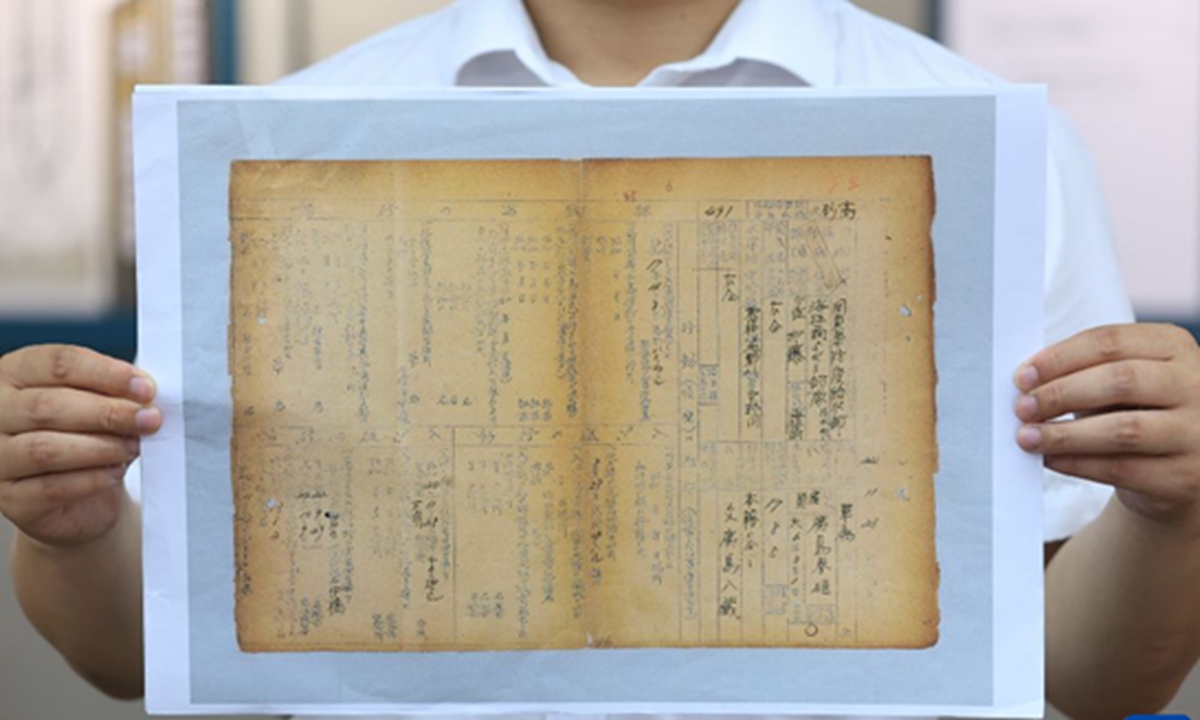
Newly released wartime records from the Hailar branch of Japan's notorious Unit 731 reveal how the Japanese military disguised biological warfare personnel as conventional infantry troops to conceal secret operations, including human experimentation.
The Exhibition Hall of Evidences of Crime Committed by Unit 731 of the Japanese Imperial Army released on Wednesday a 185-page archive of "personal background declaration" from the Hailar branch of Unit 731, also known as "Manchuria Unit 543". The documents show that the Japanese military concealed its biological warfare operations under the guise of conventional infantry units and shed new light on the Soviet Union's continued efforts after World War II to investigate and prosecute Japanese biological warfare crimes.
Unit 731 was a top-secret biological and chemical warfare research base established as the nerve center for Japanese biological warfare in China and Southeast Asia during WWII. At least 3,000 people were used in human experiments conducted by Unit 731, and more than 300,000 people in China were killed by Japan's biological weapons, according to the Xinhua News Agency.
The Japanese Kwantung Army established five branches of Unit 731 in Northeast China - in Hailar, Sunwu, Mudanjiang, Linkou and Dalian. Located in the northeastern part of the Inner Mongolia Autonomous Region, near China's borders with Mongolia and the Soviet Union, the Hailar branch served as a frontline base of the Japanese imperialist army for potential biological warfare operations against the Soviet Union.
The newly released 185-page archive contains key information on 156 members of the Hailar branch of Unit 731, including their names, military ranks, dates of enlistment, duties, transfers and postwar whereabouts. Researchers said the documents constitute first-hand official records for studying the branch's personnel structure and operations.
Jin Shicheng, a researcher at the Exhibition Hall, said the study produced two major findings. First, the documents reveal that the Japanese military recruited personnel under the cover of ordinary infantry units to conceal biological warfare activities. Some personnel, for example, were recruited under the names of conventional units such as Manchuria Unit 97, Unit 177 and Unit 201. They were then sent to Unit 731 headquarters for three months of training before being assigned to the Hailar branch. The deceptive recruitment system was intended to conceal the crimes committed by Unit 731, including human experimentation.
Moreover, the archive provides evidence of continued postwar investigations into Japanese biological warfare crimes. Of the 156 personnel listed in the documents, 145 were captured by Soviet forces after the war and detained in the Soviet Union. Four were tried in Khabarovsk between April and September 1950. The researcher said the records show that Soviet investigations and judicial efforts concerning Japanese biological warfare crimes continued after the trial held in 1949.
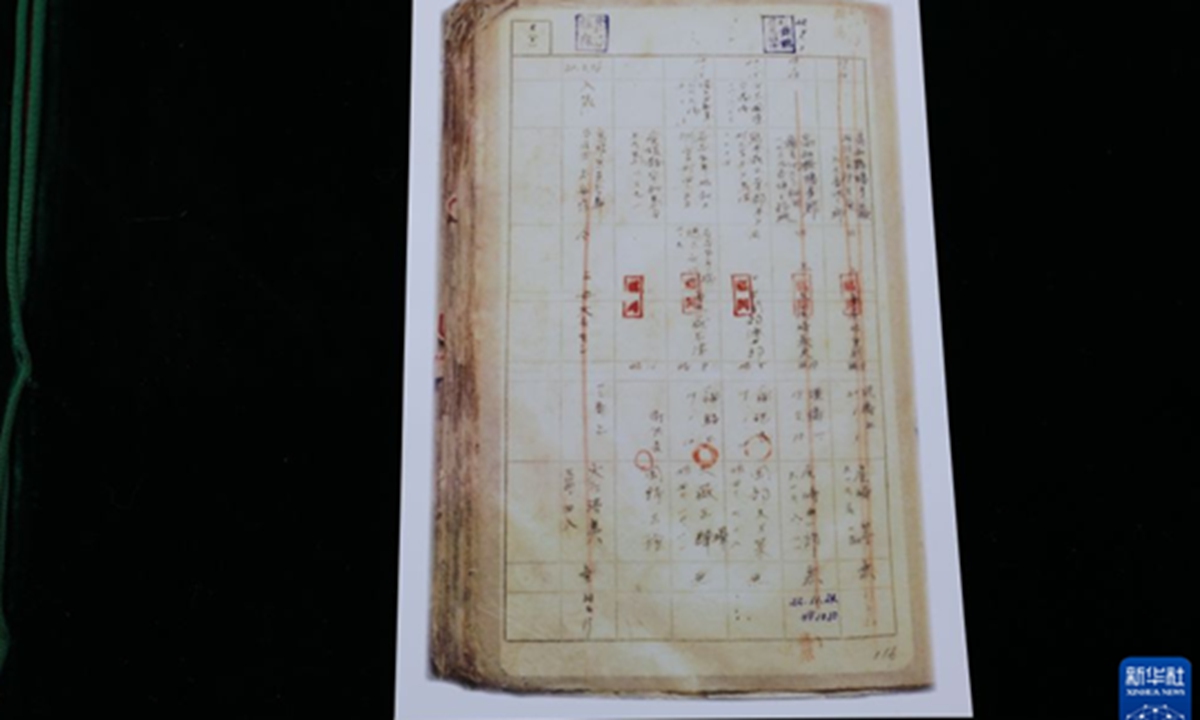
A photo published by Xinhua showed a record on medic Tanizaki Hitoshi in the "personal background declaration" records of Unit 731's Hailar branch. Tanizaki, originally named Ozaki Hitoshi, is documented in historical records that, together with his oral testimony, form a chain of evidence further substantiating the crimes committed by Unit 731.
Experts said the new revelation of the Hailar branch deepens research into Unit 731 and, together with previously obtained oral testimony from former members, form a broader chain of evidence. The official records exposed the efforts by the Japanese military to disguise their crimes against humanity and provided further evidence of the state-organized system behind Japan's biological warfare program, while adding important material to research on Unit 731 and postwar prosecutions.
Global Times
。
Current article:http://af4j9sg.panningbuquanchencaibingzhang.cyou/news/20260826_6379913.html
Published on:16:52:25
相关热门文章
- Sunny Deol Gets Emotional at Border 2 Teaser Launch
- 沪指低开0.20%农业、石油板块回调
- 元ドジャース・コンフォート、カブスとマイナー契約 昨季年俸26億円から大幅減俸 MLB“最低打率”・199の不振 米記者伝える
- 男子不慎将自己反锁在新能源汽车后备厢 用语音助手拨通110报警获救
- 《Exquisite Corpses》:狐面杀手呈献血染漫画史诗
- 为期三年!工信部等六部门部署全面开展绿色建材下乡活动
- “20万人怒吼换不到一句道歉!”毒油案起诉,国民党批台当局无人负责
- 8个月身体年轻近15岁,多项指标变好!45岁教授拿自己做实验,这4点可以直接“抄作业”
- 3个核心第一次同框合练!41岁詹姆斯已经开练,76人最难一课却不是战术
- 消息称 Bose QuietComfort 第二代头戴式降噪耳机 8 月发布
- 【期股联动】合成橡胶崩跌超5%!成本坍塌叠加供需双杀,空头风暴席卷市场
- 汪文斌:中方向菲佐总理表示诚挚慰问
- 2026年杭州婚恋旅游推广活动甜蜜启动
- 3 dead after a shooting at a party at a Denver industrial storefront
- 大神集齐GBA全部791款游戏 合影太壮观价值一辆汽车


